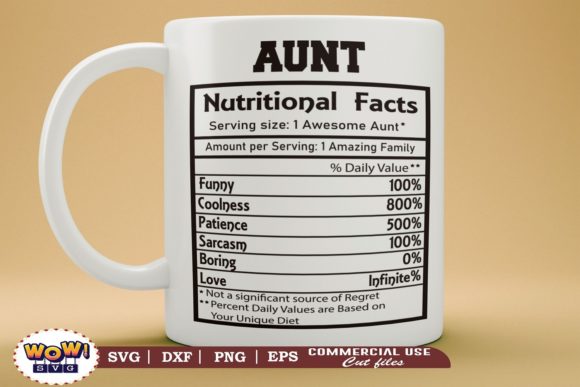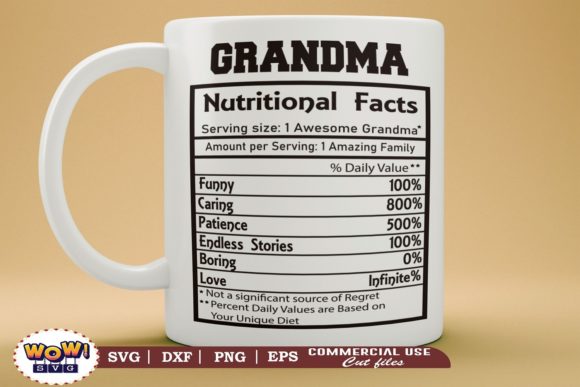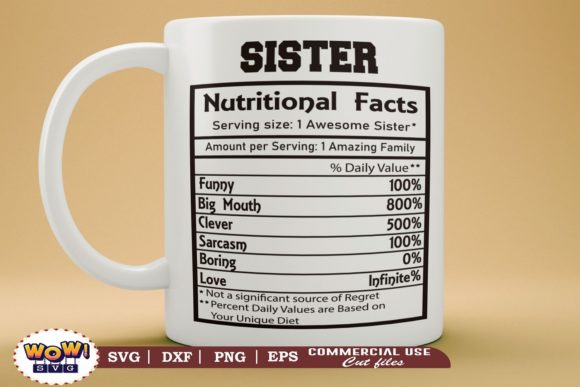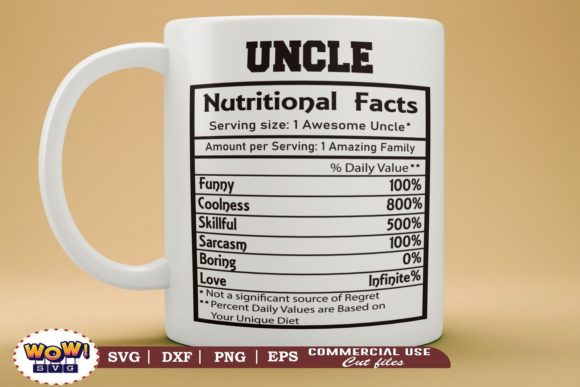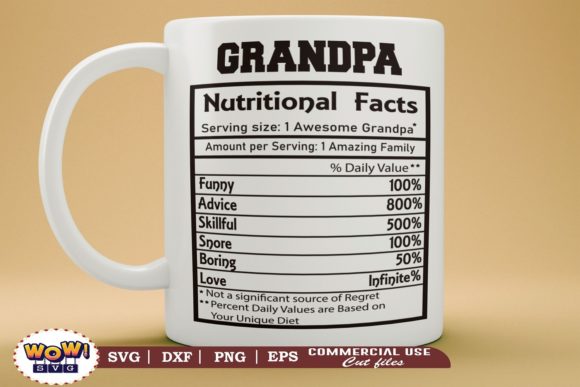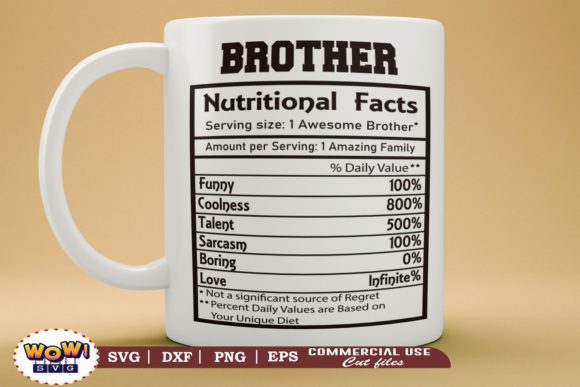
Brother Nutrition Facts: Graphics & Illustrations
As someone who has spent years running a small handmade business, from late nights cutting vinyl for local craft fairs to managing digital downloads for an Etsy shop, I approach every new graphic design asset with a critical eye. It is not just about whether a file looks cute on a screen; it is about whether it will hold up when transferred to a ceramic mug, pressed onto a cotton tee, or shrunk down for a planner sticker. Recently, I downloaded the Brother Nutrition Facts, Nutritional file to see if it could anchor a new collection of novelty kitchenware and gift items. My first impression was immediate: this design leans heavily into the playful, retro-nostalgia trend that has been dominating the creative marketplace for the last few years.
The mood created by these illustrations is undeniably humorous and bold. It taps into that "fake label" aesthetic that mimics real food packaging but replaces the ingredients with inside jokes or family dynamics. This style suggests a handmade product line that is perfect for gift-giving, specifically for brothers, siblings, or close friends. The visual personality is clean and graphic, which is essential for a Cricut project or Silhouette project where we rely on distinct shapes rather than subtle gradients. For a seller, this means the design attracts buyers looking for personalized, witty items rather than elegant or rustic decor. It screams "fun," making it ideal for birthday parties, bachelor parties, or just adding a touch of humor to everyday kitchen tools.
Real-World Applications for Handmade Sellers
When I pulled the files from the folder, I immediately started brainstorming how to integrate them into my current workflow. The versatility of this SVG design is its strongest selling point. Because the layout mimics a standard nutrition label, it works exceptionally well for rectangular surfaces. I tested it first as a mug design. Using sublimation, the crisp black text against a white background popped beautifully. The lines were sharp, and the resolution held up even when stretched to fit a standard 11oz mug wrap. This same file would translate perfectly to a tumbler wrap, provided you adjust the curvature in your design software to prevent distortion at the edges.
Beyond drinkware, this asset shines in apparel. As a t-shirt design, it offers a large, readable graphic that looks professional without requiring complex layering. For those of us using heat transfer vinyl (HTV), the single-color nature of the traditional nutrition label format makes weeding incredibly fast. You can cut this on black vinyl for a white shirt or white vinyl for a dark shirt with minimal hassle. I also see huge potential for sticker design. If you are creating planner stickers or decorative laptop decals, scaling this down creates a charming, miniature version of the joke that customers love to collect. It fits seamlessly into seasonal craft bundles focused on family reunions or holiday gifts.
For digital product creators, this PNG design is a goldmine for print-on-demand services. You can upload it directly to platforms to create mockups for tote bags, aprons, or even phone cases without needing to do any vector editing. The included EPS file ensures that if you need to edit the text or swap out specific "nutrients" for custom orders, you have the flexibility to do so in professional vector software. This level of adaptability is crucial for small business branding, allowing you to offer personalization—a key driver for higher price points on Etsy.
Technical Performance and File Quality
Let's talk about the technical nitty-gritty, because this is where many designs fail. The listing promised a ZIP folder containing SVG, PNG, EPS, and DXF files, and my experience confirmed that having this variety is vital. The SVG file imported cleanly into Cricut Design Space. I checked the nodes, and thankfully, there were no stray points or open paths that often cause cutting errors. The lines were closed and solid, which is non-negotiable for vinyl cutting. The DXF file is a lifesaver for users of older Silhouette machines or those who prefer that format for precise cutting control.
However, there are areas where you must use caution. While the design works well at larger sizes, be careful if you intend to shrink it for very small applications, like tiny favor tags or petite jewelry charms. The fine print that typically appears at the bottom of a nutrition label can become muddy if scaled down too aggressively. In a printable design context, low-contrast colors could be an issue if you decide to get creative and change the standard black-and-white scheme. If you opt for a pastel pink text on a cream background for a softer look, ensure the contrast remains high enough for readability. Crowded compositions are another risk; if you add too many custom elements around the main label, it loses its impact and becomes hard to read.
Practical Notes for Crafters and Entrepreneurs
Before you list this as a finished product or include it in a design bundle for sale, there are several steps you should take to ensure quality. First, always test the file. Cut a sample piece of vinyl or print a sublimation transfer to check the line weight. Does the text blur? Do the thin lines break during weeding? Second, preview the PNG transparency. Ensure there are no unwanted white halos around the edges, which can ruin the look on dark-colored products. Third, confirm the resolution for sublimation. Even though it is a vector-based concept, the rasterized PNG needs to be 300 DPI at the intended print size to avoid pixelation.
Color testing is also essential. While the classic look is black and white, consider how it pairs with different font styles if you add custom text. A bold sans-serif font complements the industrial look of the label, while a handwritten script font can add a nice contrast for a more personalized feel. Always place your design on real product mockups before marketing. Seeing the graphic on a flat screen is different from seeing it wrapped around a curved tumbler or draped over a tote bag. Resize the layout for different products; what works on a poster might need adjustment for a coaster.
Finally, and most importantly, verify the commercial licensing. As a small business owner, your livelihood depends on selling products legally. Confirm that the license allows for use in physical goods for sale, such as at a craft fair or through an online store. Understand the difference between using this as a commercial design for finished goods versus reselling the digital file itself, which is usually prohibited. By respecting these boundaries and doing your due diligence with file prep, the Brother Nutrition Facts, Nutritional asset can be a reliable, profitable addition to your inventory. It bridges the gap between a simple joke and a polished, sellable product, offering a straightforward path to creating items that bring a smile to your customers' faces.